Tree Pruning Sydney as a Reflection of Environmental Responsibility
How Does Tree Pruning in Sydney Reflect Environmental Responsibility?
Tree pruning in Sydney represents a critical intersection between urban development and ecological stewardship, where the selective removal of branches serves to maintain tree health, safety, and aesthetic value whilst preserving the city’s green canopy. This practice demonstrates environmental responsibility by balancing human needs with nature conservation.
The importance of tree pruning in Sydney extends beyond simple maintenance. Proper pruning techniques:
- Enhance structural integrity and longevity of urban trees
- Reduce risks from falling branches in high-traffic areas
- Promote healthy growth patterns and disease prevention
- Maintain clearance for buildings, power lines, and pedestrian safety
Sydney’s regulatory framework establishes tree pruning Sydney as an act of environmental care rather than casual property management. Local councils mandate permit applications for most tree work, particularly for protected or heritage-listed specimens. These regulations reflect community expectations that urban tree care must prioritize ecological outcomes.
The city’s approach recognises trees as vital infrastructure—providing air quality improvement, temperature regulation, and habitat for native wildlife. Environmental responsibility manifests when property owners engage qualified arborists, follow prescribed standards, and view tree pruning Sydney as part of a broader commitment to sustaining the city’s urban forest. This framework ensures that every pruning decision considers long-term environmental impact alongside immediate practical needs.
What Regulations Govern Tree Pruning in Sydney?
Property owners must obtain council approval before pruning or removing most trees in Sydney. Tree pruning regulations in Sydney mandate that any tree with a trunk diameter exceeding 300mm at ground level typically requires a permit, though specific thresholds vary across different local government areas.
Permits for tree pruning become mandatory when:
- The tree stands on private property and meets minimum size requirements
- Work involves more than 10% of the tree’s canopy
- The tree sits within a heritage conservation area
- Pruning affects protected native species
Heritage-listed trees receive the highest level of protection under local development control plans. These significant trees often feature on council registers due to their age, rarity, cultural importance, or contribution to the area’s character. Removing or substantially pruning heritage-listed trees without approval constitutes a serious offence.
The consequences for unauthorized pruning prove severe. Companies face penalties reaching $2 million, whilst individuals risk fines up to $500,000. Councils may also issue orders requiring property owners to plant replacement trees at their own expense. These substantial penalties reflect the irreversible nature of tree damage and the community’s commitment to preserving Sydney’s urban forest. Repeat offenders or those causing significant environmental harm face prosecution in the Land and Environment Court, where additional remediation costs may apply.
Why Is Professional Arborist Involvement Essential in Tree Pruning?
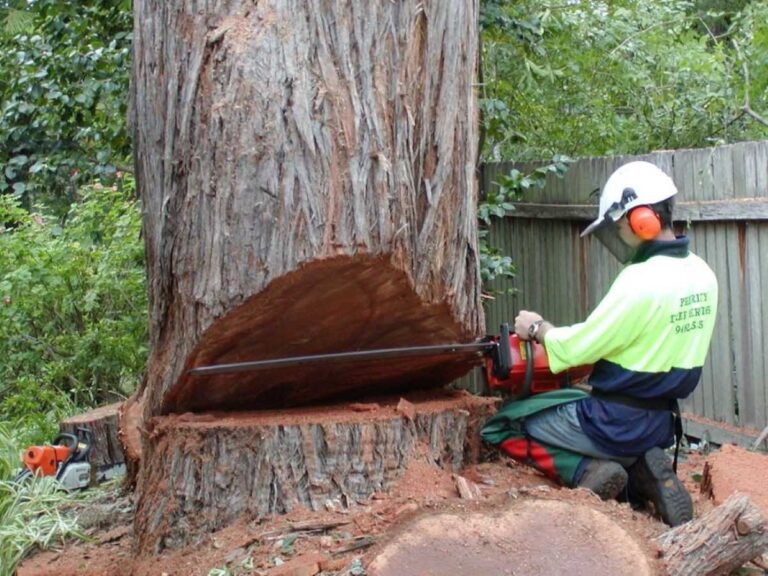
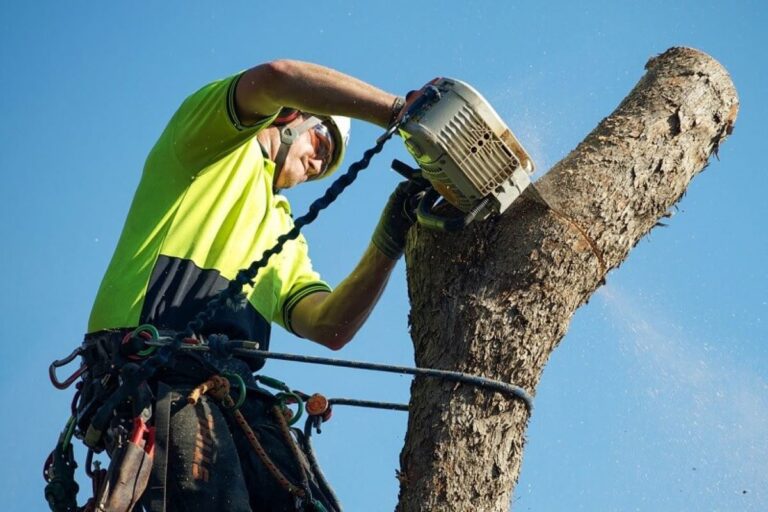
Qualified arborists Sydney bring certified expertise that transforms tree pruning from a simple maintenance task into an environmentally responsible practice. These professionals hold accreditations from recognised bodies like AQF Level 3 in Arboriculture, ensuring they possess the technical knowledge to assess tree health, identify structural weaknesses, and execute pruning strategies that promote long-term vitality rather than causing harm.
The Importance of Australian Arboriculture Standards
Australian arboriculture standards provide the framework for responsible tree care. Accredited arborists follow AS 4373-2007 (Pruning of Amenity Trees) and AS 4970 (Protection of Trees on Development Sites), which specify:
- Proper cutting techniques that encourage natural wound closure
- Seasonal timing considerations for different species
- Maximum removal percentages to maintain tree stability
- Equipment standards and work positioning requirements
The Significance of Safe Tree Work Practices
Safe tree work practices extend beyond worker protection to tree preservation. Untrained individuals often make flush cuts that remove the branch collar, eliminating the tree’s natural defence mechanism against decay. They may remove excessive foliage, starving the tree of photosynthetic capacity, or create hazardous weight imbalances that lead to branch failure.
The Role of Professional Arborists in Tree Care
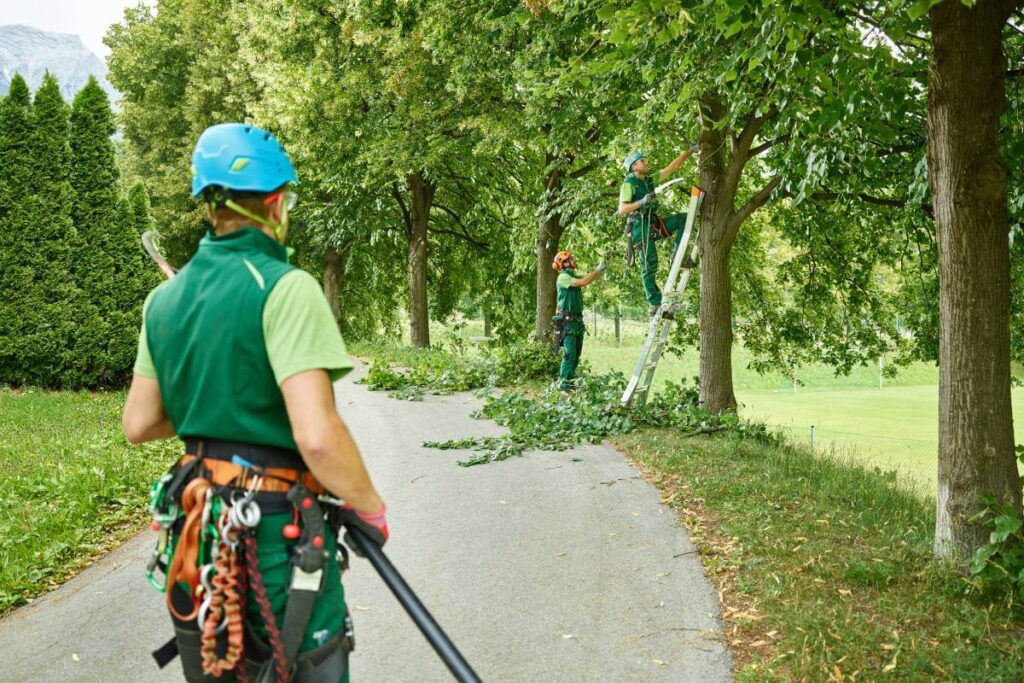
Professional arborists conduct thorough site assessments before making any cuts, identifying disease, pest infestations, or structural defects that require specialised treatment. Their diagnostic skills prevent well-intentioned but damaging interventions that could sentence a mature tree to slow decline, protecting Sydney’s urban canopy investment that takes decades to establish.
How Do Sustainable Practices Shape Tree Care Services in Sydney?
Sustainable tree care in Sydney transforms traditional maintenance into an environmentally conscious practice through systematic assessment and resource optimisation. Professional services begin with comprehensive health and risk evaluations that identify structural weaknesses, disease presence, and growth patterns before any cutting occurs.
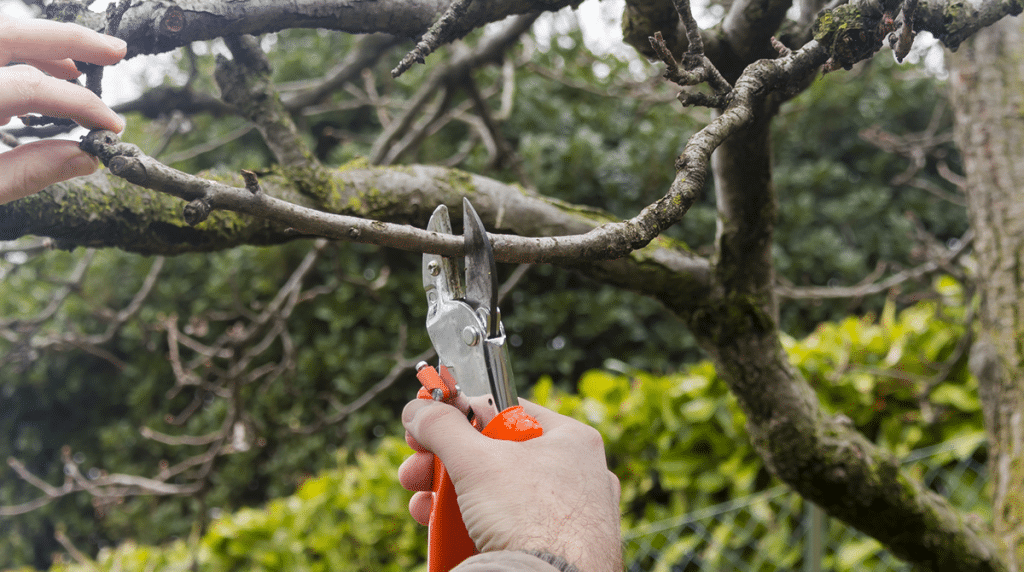
Precision pruning techniques form the cornerstone of modern tree management, targeting specific branches whilst preserving the tree’s natural architecture and minimising disruption to surrounding landscapes. These methods reduce stress on trees, promote faster healing, and maintain aesthetic appeal without compromising structural integrity.
The lifecycle approach to tree management extends beyond the pruning itself:
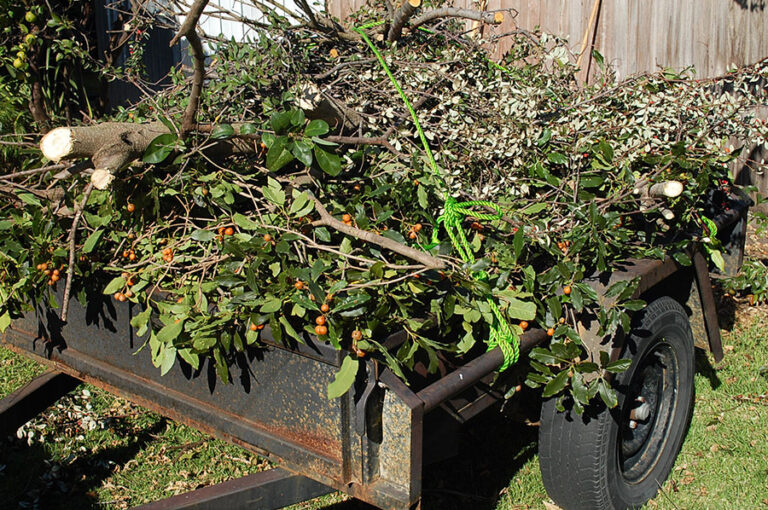
- Material repurposing: Cut branches and timber become valuable resources rather than waste, transformed into firewood for heating, custom furniture pieces, or decorative garden features
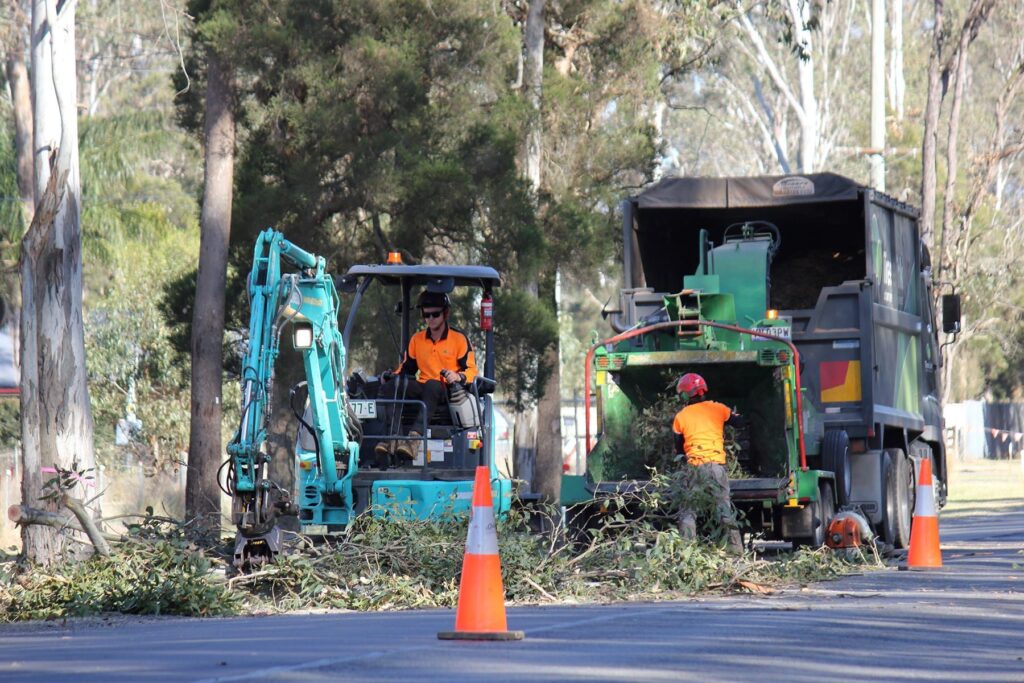
- Green waste recycling: Smaller branches, leaves, and wood chips enter municipal composting systems, creating nutrient-rich mulch for parks and gardens
- Circular economy integration: Tree materials circulate back into Sydney’s urban ecosystem, reducing landfill burden and carbon emissions from waste transport
The options for managing yard waste play a crucial role in this sustainable approach. These practices not only enhance the local environment but also serve as a reflection of our environmental responsibility. Every cut made by accredited arborists serves dual purposes—maintaining tree health whilst contributing to broader ecological goals. They document material destinations meticulously, ensuring accountability and maximising environmental benefits from each pruning project.
Moreover, it’s essential to understand that these sustainable practices are not just limited to tree care. They encompass broader themes such as genetically modified organisms (GMOs) which can impact our ecosystem or the economic implications of certain agricultural practices, further emphasizing the interconnectedness of our environmental decisions.
How Does Tree Pruning Support Biodiversity and Urban Ecosystems?
Responsible tree pruning directly sustains Sydney’s urban greenery by maintaining healthy canopy coverage that provides essential habitat corridors for native wildlife. Strategic pruning preserves mature trees that serve as critical nesting sites, feeding grounds, and movement pathways for birds, possums, and insects integral to biodiversity preservation Sydney.
Urban ecosystem protection relies on pruning practices that prioritise tree health over aesthetic convenience. Removing diseased or damaged branches prevents the spread of pathogens whilst allowing trees to allocate resources toward growth and reproduction. This targeted approach maintains the structural integrity of trees that anchor soil, filter air pollutants, and regulate urban temperatures.
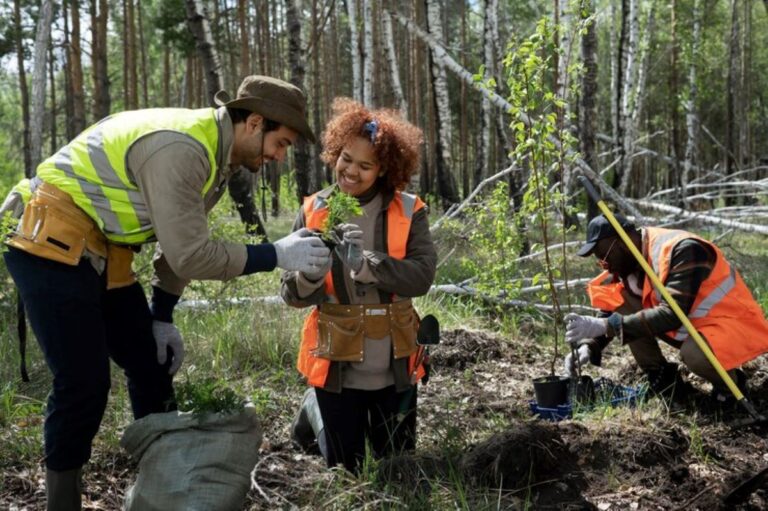
Local councils across Sydney mandate tree replacement programmes following removal, requiring property owners to plant native species that support regional ecological networks. These requirements reflect environmental stewardship principles by ensuring:
- Continuity of habitat for indigenous fauna
- Preservation of genetic diversity within urban tree populations
- Maintenance of ecosystem services such as carbon sequestration and stormwater management
Accredited arborists assess each tree’s ecological value before recommending pruning interventions, considering factors like hollow-bearing potential for native animals and flowering cycles that support pollinators. This holistic evaluation ensures pruning decisions align with broader conservation goals rather than purely aesthetic or convenience-based motivations. The integration of ecological assessments into standard pruning protocols demonstrates how individual tree care decisions contribute to urban ecosystem protection at the landscape scale.
How Does Compliance with Tree Pruning Regulations Reflect Environmental Responsibility?
Following tree pruning regulations demonstrates a property owner’s commitment to environmental compliance Sydney and urban environmental stewardship. When individuals and businesses obtain proper permits before pruning or removing trees, they actively participate in protecting Sydney’s green infrastructure and show respect for the ecological value these trees provide to the community.
Legal compliance serves as a measurable indicator of responsible tree management. The substantial penalties—up to $2 million for companies and $500,000 for individuals—exist not merely as punitive measures but as safeguards for Sydney’s urban forest. These regulations ensure that tree removal decisions undergo proper assessment, preventing impulsive actions that could harm heritage trees or protected species.
Environmental responsibility through compliance manifests in three key areas:
- Community protection: Regulated pruning prevents the loss of trees that provide shade, air quality improvement, and stormwater management
- Ecosystem preservation: Permit requirements ensure consideration of wildlife habitats and nesting sites before tree work proceeds
- Accountability: Documentation requirements create transparency in tree management decisions
Corporate entities that prioritise regulatory adherence signal their dedication to sustainable urban environments beyond profit margins. This commitment extends to engaging qualified arborists, following Australian standards, and implementing council-approved tree replacement programs. Such actions transform compliance from a legal obligation into a proactive environmental strategy that benefits current and future generations.
Conclusion
Tree Pruning Sydney as a Reflection of Environmental Responsibility shows how managing trees in cities goes beyond looking good—it plays a crucial role in taking care of the environment. By using sustainable methods like precise pruning and recycling materials, we can create strong urban forests that benefit both present and future generations.
Community involvement is still very important. When property owners work with certified arborists for responsible tree pruning Sydney, they are directly helping to preserve biodiversity and make our city more resilient to climate change. This summary of environmental responsibility reminds us of a simple truth: every time we decide to prune a tree, we are influencing Sydney’s urban ecosystem.
Want to show your commitment to the environment? Reach out to qualified arborists today to ensure that your tree care practices meet Sydney’s sustainability standards and protect our shared green heritage.
Click here: Tree Pruning Services Near Me and the Invisible Labour of Urban Care