Tree Pruning Services Near Me and the Invisible Labour of Urban Care
What Are Tree Pruning Services and Why Are They Essential in Urban Areas?
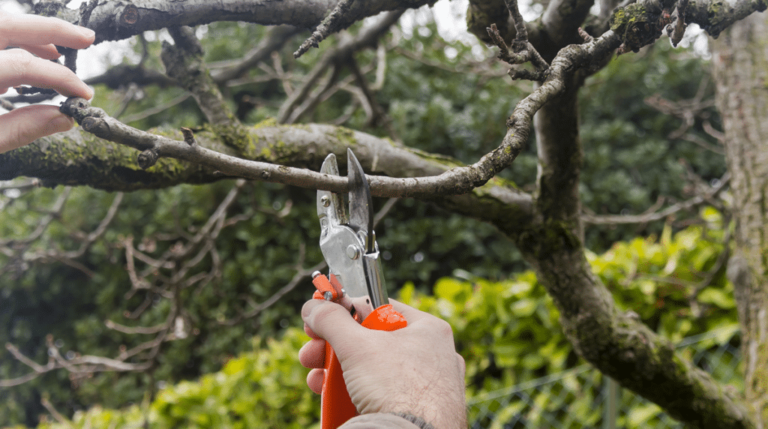
Tree pruning services involve the selective removal of branches, limbs, and foliage to maintain tree health, structural integrity, and visual appeal in urban environments. These specialized services form the backbone of urban forestry management, delivered by trained arborists who understand the complex biology and structural dynamics of trees in city settings.
Unique Challenges Faced by Urban Trees
Urban trees face unique stressors that their woodland counterparts rarely encounter. Compacted soil, limited root space, pollution, and physical damage from vehicles and infrastructure create conditions where professional intervention becomes necessary rather than optional. Tree pruning services near me help address these challenges by removing diseased or damaged wood, improving air circulation through the canopy, and redirecting growth away from buildings, power lines, and pedestrian areas.
Health Benefits of Regular Pruning
The health benefits of regular pruning extend far beyond simple tidiness:
- Removal of dead or dying branches prevents the spread of disease and pest infestations
- Strategic cuts encourage proper wound closure and reduce entry points for pathogens
- Thinning dense canopies allows sunlight penetration and air movement, reducing fungal problems
- Crown reduction lessens wind resistance, decreasing storm damage risk
Safety Reasons for Pruning
Safety represents perhaps the most immediate reason cities invest in pruning services. Falling branches cause property damage, injuries, and occasionally fatalities. A branch weakened by decay or disease can remain attached for months before suddenly breaking during moderate winds or under snow load. Professional arborists identify these hazards through systematic inspection, removing dangerous limbs before they fail.
Aesthetic Importance in Urban Planning
The aesthetic dimension of tree pruning carries surprising weight in urban planning. Well-maintained trees increase property values by 7-19% according to various studies. They define neighbourhood character, provide seasonal interest, and create the green corridors that make cities liveable. Pruning shapes trees to complement architectural styles, frames views, and maintains the deliberate design of parks and streetscapes.
Long-Term Benefits of Proper Pruning
Longevity and resilience depend on pruning practices that respect tree biology. Young trees benefit from structural pruning that establishes strong branch architecture, preventing costly corrective work decades later. This formative pruning creates a central leader, removes competing stems, and spaces lateral branches appropriately. The investment in early training pays dividends as trees mature into specimens that require less intensive intervention.
Mature trees require different pruning strategies focused on maintaining their health and stability while minimising potential conflicts with surrounding structures or utilities.
How Does the Hidden Work Affect Urban Tree Care?
The hidden work involved in tree pruning goes beyond just cutting branches. Every decision made by arborists requires them to evaluate the tree’s biology, structure, growth patterns, and potential dangers—an intricate mental process that occurs before any actual cutting takes place. This intellectual effort may not be seen by others, but it plays a crucial role in determining whether a tree flourishes or deteriorates over the years.
The Physical Challenges Behind Each Cut
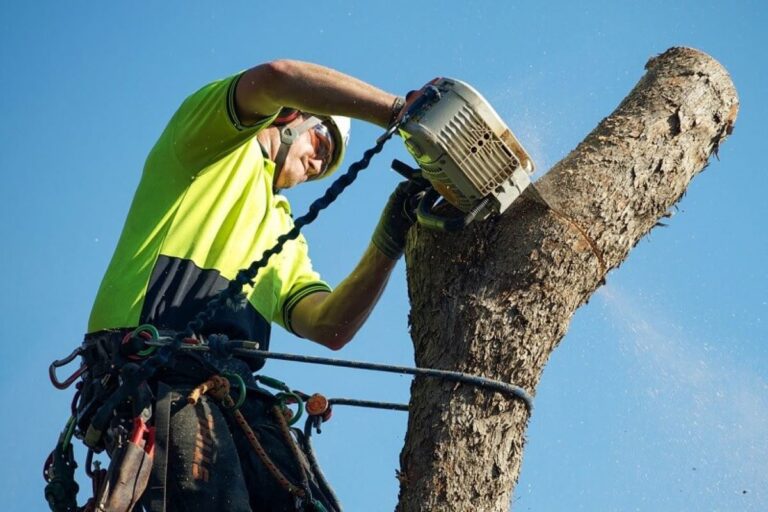
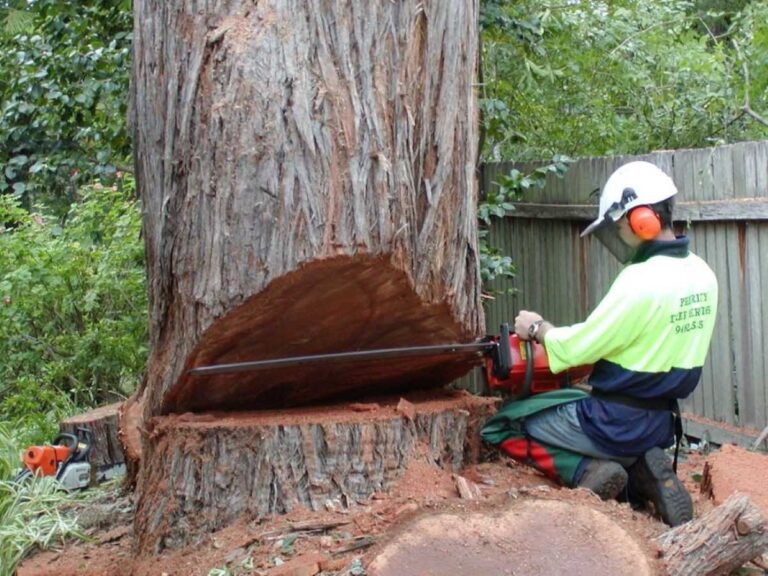
Arborists who provide tree pruning services engage in physically demanding tasks that require both strength and precision. Their daily routine includes activities such as:
- Climbing 15-metre trees while carrying heavy equipment
- Maintaining balance during calculated cuts
- Working in extreme weather conditions
The urban tree care workforce operates at heights where a single mistake could be fatal, yet this risk rarely crosses people’s minds.
Over time, the physical toll on arborists accumulates:
- Repetitive strain injuries from using chainsaws and working with ropes
- Exposure to allergens, insects, and environmental dangers
- Chronic joint stress from climbing and carrying heavy loads
- Fatigue from wearing protective gear in hot summer temperatures
Specialized Knowledge That Remains Hidden
Becoming an expert in pruning requires years of studying and practical experience that most city residents never witness. Arborists need to have knowledge about:
- Growth habits and pruning responses specific to different species
- Identifying diseases and implementing containment strategies
- Understanding structural biomechanics to prevent future failures
- Considering timing based on seasonal physiology
- Being aware of local regulations and protections for heritage trees
Before removing even a single branch, a qualified arborist assesses numerous factors such as the tree’s age, health condition, proximity to infrastructure, value as wildlife habitat, and long-term growth plans.
This diagnostic work takes place quietly without any fanfare but has a significant impact on shaping the urban canopy for many years.
Why This Work Goes Unnoticed
The nature of tree work itself contributes to its invisibility. Pruning usually happens early in the morning or during less busy times when there are fewer people around to minimise disruption. As a result, this work often falls outside of typical commuting hours.
Once the job is done, there are no obvious signs left behind—an expertly pruned tree simply looks natural without any indication of the hours spent caring for it.
Policymakers tend to overlook this labour because tree maintenance doesn’t have immediate visibility like other public works projects do.
What Challenges Do Tree Pruning Professionals Face Today?
The arborist shortage has reached critical levels across urban centres, with many municipalities struggling to maintain adequate staffing for essential tree care services. The green industry faces a workforce crisis where the demand for skilled tree pruning professionals far exceeds supply, leaving cities with backlogs of maintenance work that can stretch for months or even years.
This gap stems from multiple interconnected factors. The ageing workforce means experienced arborists are retiring faster than new professionals enter the field. Many tree care companies report difficulty filling positions even when offering competitive wages, creating a bottleneck that affects service availability and quality across urban areas.
The Battle for Young Talent
Green industry recruitment competes directly with sectors offering more visible career paths and perceived stability. Young people often gravitate towards technology, healthcare, or trades like electrical work and plumbing—fields with clearer progression routes and stronger public recognition. Despite requiring similar technical expertise, tree care work lacks the cultural cachet that attracts school leavers and career changers.
However, initiatives aimed at increasing youth engagement in arboriculture are starting to change this narrative, highlighting the importance and potential of careers in this field.
The physical demands of arboriculture present another barrier. Climbing trees in all weather conditions, operating heavy machinery, and managing physically intensive tasks appeal to a shrinking pool of candidates. Office-based careers with predictable hours and climate-controlled environments naturally attract workers who might otherwise consider outdoor professions.
Compensation structures also play a role. Entry-level positions in tree care may not compete effectively with starting salaries in construction, warehousing, or hospitality management. The time investment required to gain certifications and practical experience can deter candidates seeking immediate earning potential.
Specialized Knowledge Creates Training Barriers
Training challenges in arboriculture extend beyond basic skill acquisition. Effective tree pruning requires understanding:
- Plant biology and physiology – knowing how trees respond to cuts and stress
- Species-specific growth patterns – recognizing that oak trees need different approaches than birch
- Disease identification – spotting early signs of infection or pest damage
- Safety protocols – managing risks from heights, equipment, and traffic
- Local regulations – navigating tree preservation orders and planning requirements
This knowledge base takes years to develop. Apprenticeships typically span three to four years, during which trainees must balance practical experience with theoretical study. The investment required is substantial but necessary for developing the specialized skills needed in the field.
Moreover, the complexity of training further emphasizes the need for comprehensive educational programs that can adequately prepare individuals for these challenges.
How Is Community Engagement Helping to Address the Invisible Labour Gap?
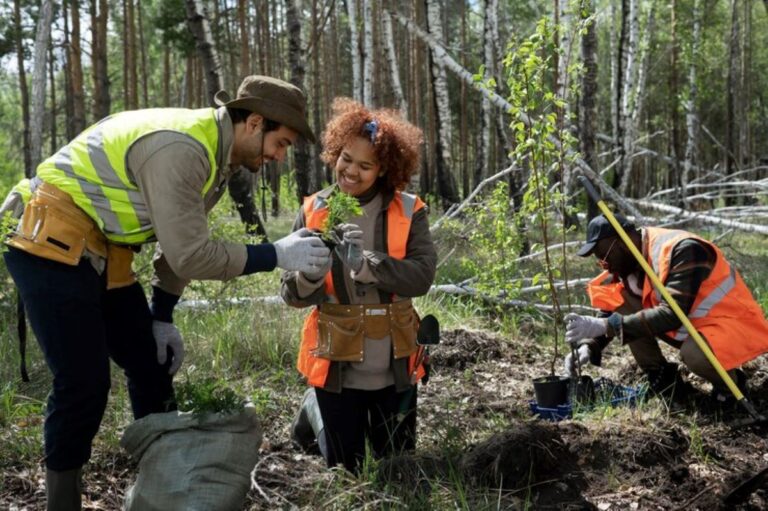
Local communities are stepping forward to fill critical gaps in urban tree care through organized volunteer programmes that complement professional arborist work. These grassroots initiatives provide hands-on support for tasks like mulching, watering young trees, and monitoring tree health, reducing the workload on stretched professional teams whilst building public connection to urban forests.
Volunteer tree care projects serve multiple purposes beyond immediate maintenance needs. They create visible demonstrations of the labour required to maintain healthy urban canopies, transforming abstract concepts of tree care into tangible community activities. When residents participate in pruning workshops or tree planting events, they gain firsthand appreciation for the physical demands and technical knowledge that professional arborists bring to their work daily.
Building Awareness Through Media and Storytelling
Media coverage has become instrumental in making invisible labour visible to broader audiences. Local news features profiling arborists at work, social media campaigns documenting seasonal pruning cycles, and documentary projects exploring urban forestry all contribute to public awareness about the skilled professionals maintaining city trees. These narratives humanize the work, showing the individuals behind the chainsaws and the decision-making processes that guide each cut.
Digital platforms amplify community involvement by sharing before-and-after images of pruned trees, explaining the reasoning behind specific techniques, and celebrating the outcomes of volunteer efforts. This visibility helps residents searching for “tree pruning services near me” understand what quality care looks like and why professional expertise matters.
Educational Partnerships Creating Future Arborists
Schools are emerging as crucial partners in addressing long-term workforce shortages through early exposure to arboriculture careers. Educational outreach programmes bring students into direct contact with working arborists, offering:
- Classroom presentations about tree biology and urban forestry careers
- Field trips to observe professional pruning operations
- Hands-on workshops teaching basic tree identification and care principles
- Mentorship opportunities connecting students with experienced professionals
These partnerships plant seeds for future recruitment whilst educating young people about the ecological importance of urban trees. Students who participate in tree care activities develop environmental awareness that extends beyond career considerations, creating informed citizens who value and support urban forestry initiatives.
Community Engagement as Labour Recognition
Public awareness campaigns reframe tree pruning from invisible background work to essential urban infrastructure maintenance. When communities organize
Why Should Society Recognise the Broader Social and Ecological Value of Urban Tree Care?
Urban tree care delivers measurable improvements to environmental quality that extend far beyond individual trees. Mature urban trees filter air pollutants including particulate matter, nitrogen dioxide, and sulphur dioxide—a single large tree can remove up to 150 kilograms of CO2 annually whilst producing enough oxygen for two people. The pruning services that maintain these trees ensure their canopies remain healthy and expansive, maximising their capacity to absorb greenhouse gases and regulate urban temperatures through evapotranspiration.
Environmental Benefits of Maintained Urban Trees:
- Reduction of urban heat island effect by 2-8°C in surrounding areas
- Stormwater management through canopy interception (up to 7,000 gallons per tree annually)
- Habitat provision for urban wildlife including pollinators and bird species
- Soil stabilization preventing erosion in urban landscapes
The connection between green spaces and community well-being has been documented across numerous public health studies. Access to well-maintained trees and urban forests correlates with reduced stress levels, lower blood pressure, and decreased symptoms of anxiety and depression. Regular tree pruning ensures these spaces remain safe and inviting, encouraging residents to spend time outdoors and engage with their natural environment.
Tree-lined streets create gathering points that foster social cohesion within neighbourhoods. Residents living on streets with healthy, well-pruned trees report higher levels of community connection and are more likely to know their neighbours. These spaces become informal meeting points where children play, elderly residents rest, and community bonds strengthen. The arborists maintaining these trees enable these social interactions, though their work typically occurs outside peak hours when few witness their contribution.
Urban resilience depends heavily on the infrastructure that trees provide against climate change impacts. Cities face increasing threats from extreme heat events, flash flooding, and severe storms. Properly pruned trees withstand high winds better than neglected specimens, reducing the risk of property damage and power outages during severe weather. Their root systems and canopies work together to manage excess rainfall, alleviating pressure on overwhelmed drainage systems during intense precipitation events.
The economic value of these ecological services is substantial yet rarely quantified in municipal budgets. Research indicates that every pound invested in urban tree care returns approximately £2.25
How Can Individuals Find Reliable Tree Pruning Services Near Them?
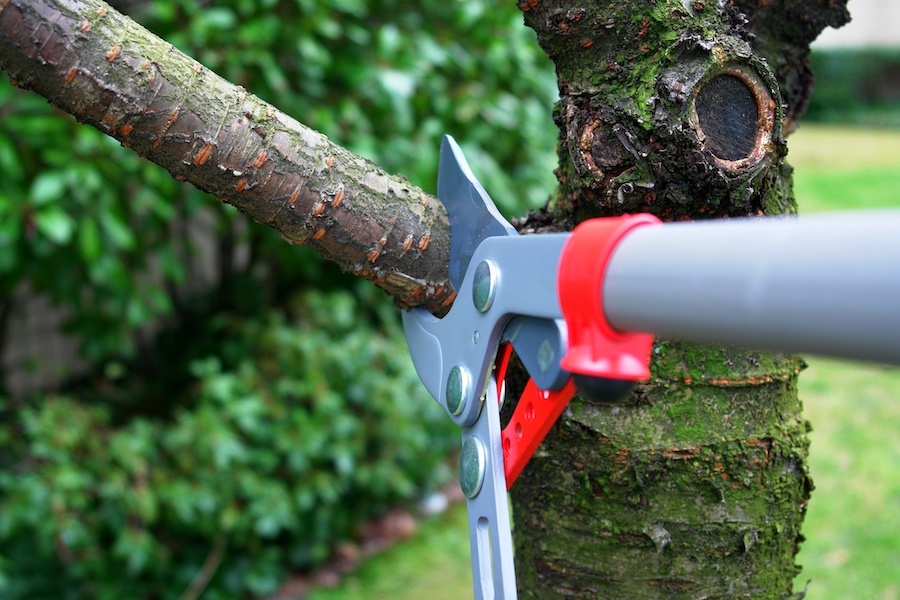
Start by searching for certified arborists through professional organizations such as the International Society of Arboriculture (ISA) or local arboriculture associations. These directories connect you with qualified professionals who have demonstrated their expertise through rigorous examinations and ongoing education requirements.
Essential Qualifications to Verify
When evaluating potential tree pruning services, certification status serves as your first quality indicator. ISA Certified Arborists possess verified knowledge of tree biology, proper pruning techniques, and safety protocols. Request proof of insurance coverage, including both liability and workers’ compensation, to protect yourself from potential accidents or property damage during tree work.
Professional credentials matter because improper pruning can permanently damage trees or create hazardous conditions. A qualified arborist understands species-specific growth patterns, seasonal timing for different pruning types, and how to make cuts that promote healing rather than disease entry points.
Service Quality Indicators That Matter
Reputable tree pruning companies provide detailed written estimates before beginning work. These estimates should specify which branches will be removed, the pruning method to be used, and the reasoning behind recommended cuts. Be cautious of services that offer to “top” trees or remove excessive amounts of live foliage—these practices harm tree health and indicate poor training.
Ask potential providers these critical questions:
- Can you provide local references from recent clients?
- What specific pruning standards do you follow (such as ANSI A300)?
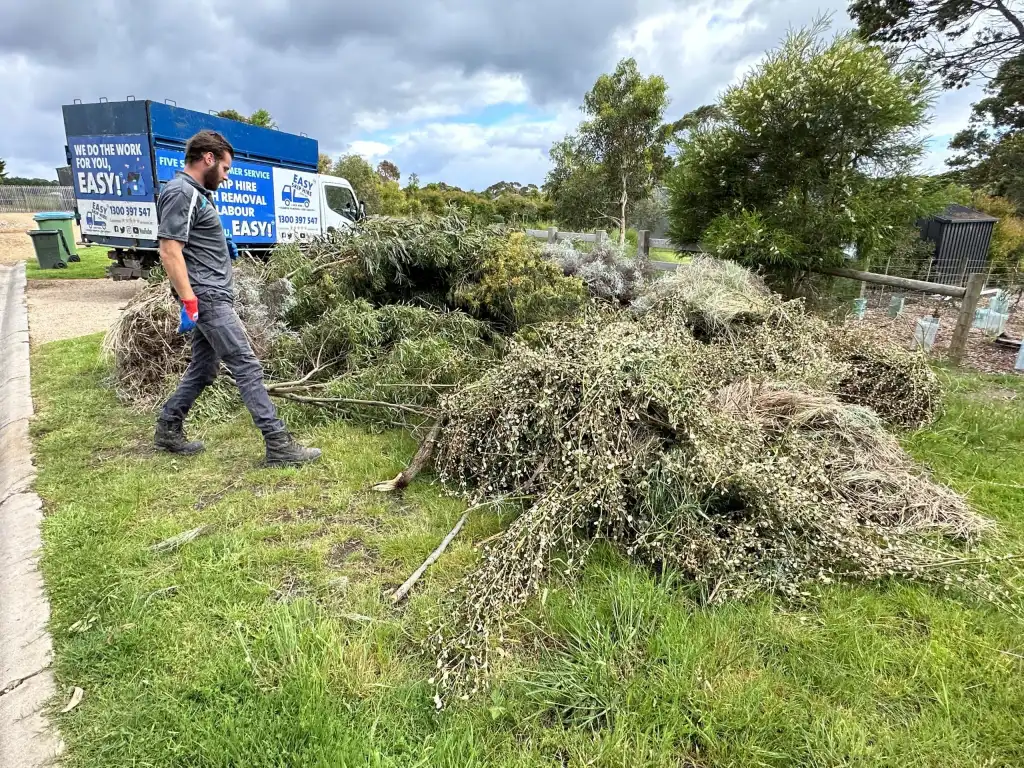
- How do you handle waste removal and site cleanup?
- What safety equipment and protocols does your crew use?
Professional arborists willingly discuss their approach and educate clients about proper tree care. They assess each tree individually rather than applying one-size-fits-all solutions.
The Local Knowledge Advantage
Choosing professionals familiar with local urban ecosystems brings significant benefits to your trees and property. Local arborists understand regional pest pressures, common disease issues, and which tree species thrive in your area’s specific climate and soil conditions. This knowledge directly impacts the quality and appropriateness of pruning recommendations.
Finding local arborists who recognise the invisible labour of urban care means supporting professionals who contribute to your community’s environmental health. These experts understand local tree ordinances, protected species regulations, an
Learn about: Tree Pruning Sydney as a Reflection of Environmental Responsibility