Planning a Safe Tree Removal Pymble Project: What to Know First
This guide covers what they should know before booking a tree removal Pymble project, so the work stays legal, predictable, and safe.
What makes tree removal in Pymble different from just “cutting a tree down”?
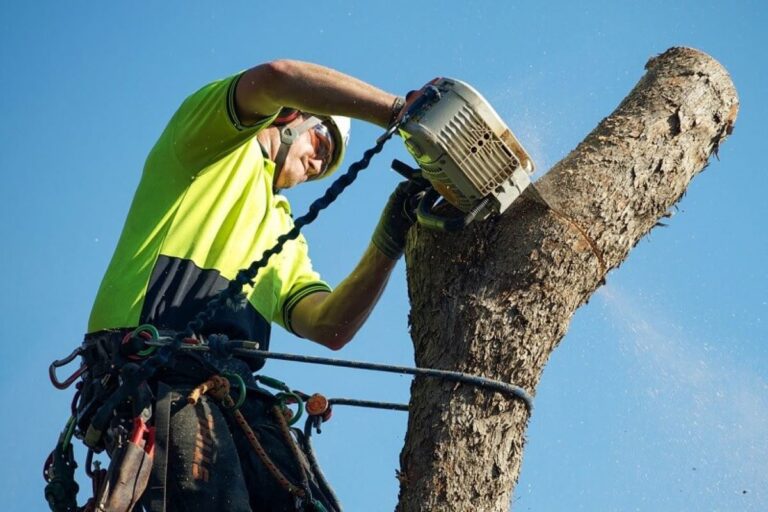
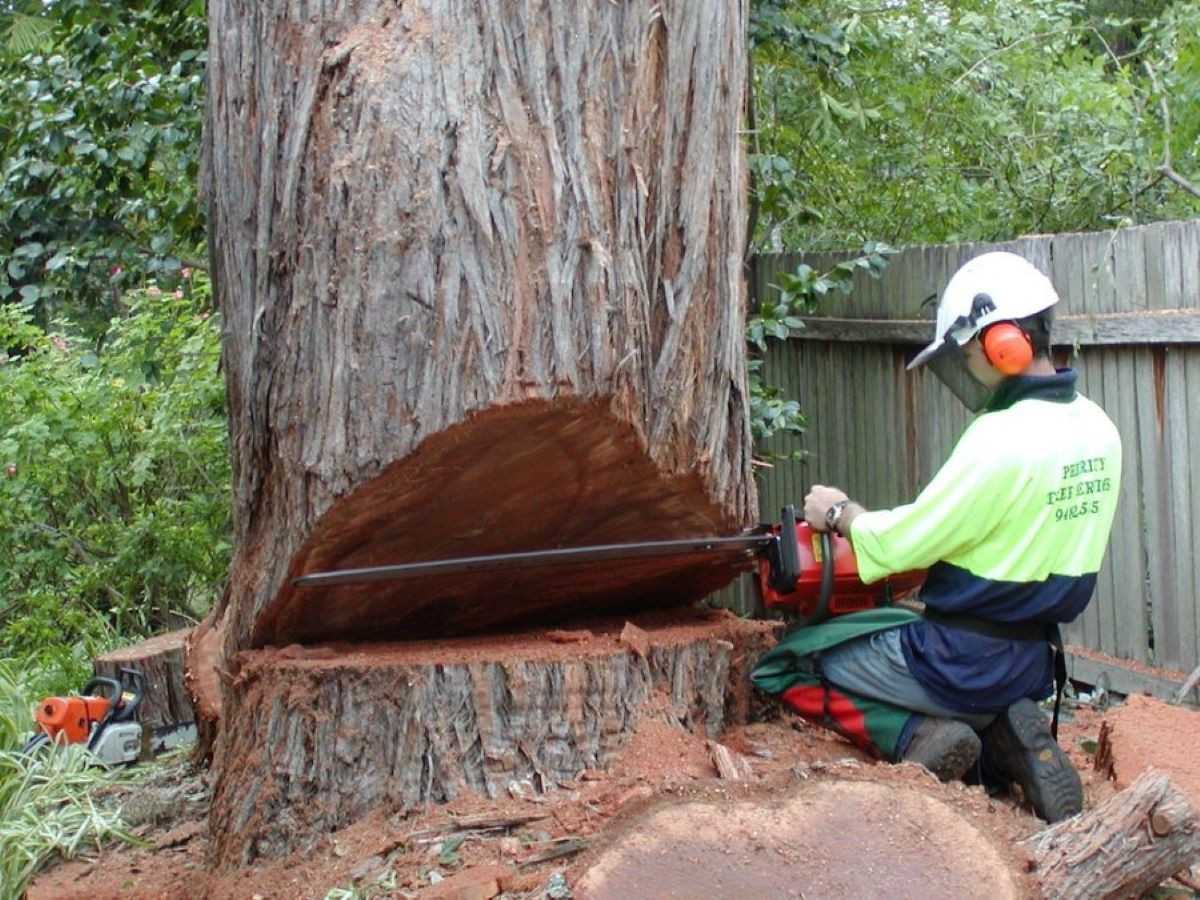
It often involves tight access, nearby homes, powerlines, and local tree controls that can trigger permits in Pymble. tree removal Pymble is usually carried out as a staged dismantle using ropes, rigging, and controlled lowering techniques rather than a single felling cut.
Extra planning is typically required if the tree is large, leaning, close to structures, or in poor health.
Do they need council approval or a permit before removing a tree?
Sometimes, yes, and they should verify before any work begins. In Ku-ring-gai Council areas, many trees are protected under planning rules, and removal can require approval depending on species, size, and location.
A reputable contractor will usually help identify whether a permit is likely and what evidence is needed. They should not rely on verbal assumptions, since penalties can apply for unlawful removal.
How can they tell if the tree is actually unsafe or just inconvenient?
A qualified arborist assessment is the cleanest way to separate risk from preference. Common red flags include visible decay, major deadwood, splitting unions, termite damage, significant lean with soil heave, or canopy dieback.
They should document concerns with photos and ask for written findings. If the tree is healthy, pruning or cable bracing may solve the issue without full removal.
What site hazards should they check before the contractor arrives?
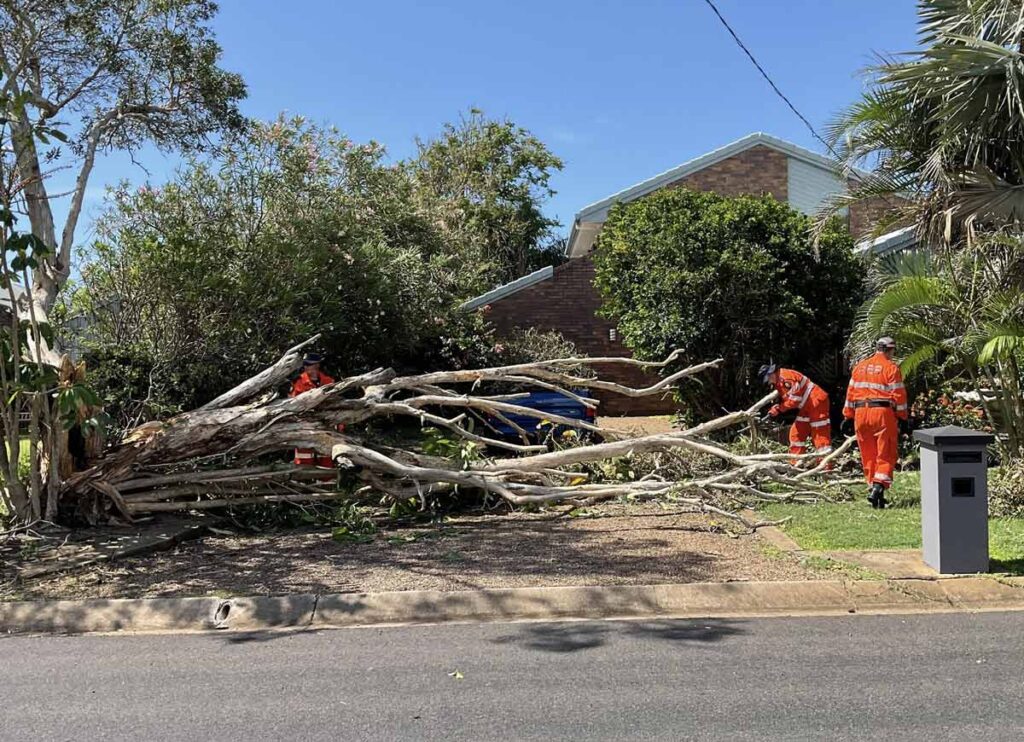
They should look for targets and constraints that change the removal method. Key hazards include powerlines, roofs, sheds, fences, pools, retaining walls, driveways, and narrow side access.
They should also consider ground conditions and slope, as wet soil can limit equipment and increase slip risks. If neighbors’ yards are within drop zones, access and permissions may be required.
How do contractors remove a tree safely in a tight suburban block?
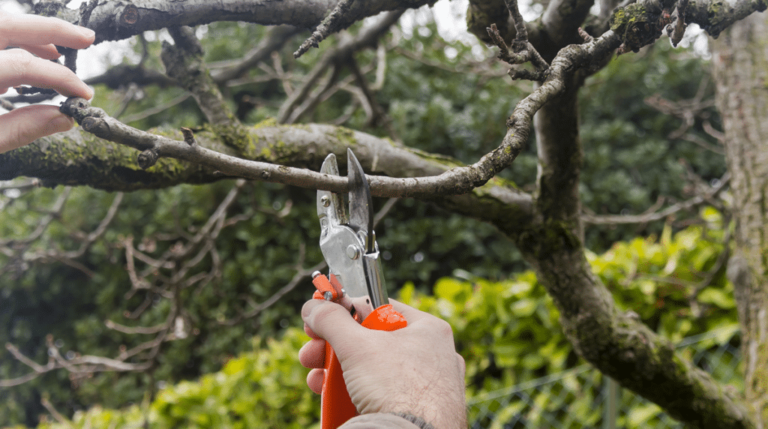
Most tight Pymble jobs are dismantled in sections from the top down. The climber or elevated platform removes limbs in controlled pieces, often using rigging to lower wood away from roofs and gardens.
They should expect the contractor to describe where pieces will be lowered, what will be protected, and how the crew will manage pedestrians and traffic if the work borders a footpath or road.
What questions should they ask to confirm the contractor is properly qualified and insured?
They should ask for proof, not just reassurance. At a minimum, they should request:
- Public liability insurance certificate (and the coverage amount)
- Workers compensation coverage details
- Qualifications and experience for the crew lead
- Their approach to risk assessment and site control
- Whether they follow relevant Australian Standards and safe work procedures
They should be cautious with unusually low quotes that skip details about rigging, protection, or disposal.
What should a good tree removal quote include?
A solid quote is specific about scope and outcomes. They should look for clarity on:
- Exact tree(s) to be removed and method (fell vs dismantle)
- Protection of nearby structures and gardens
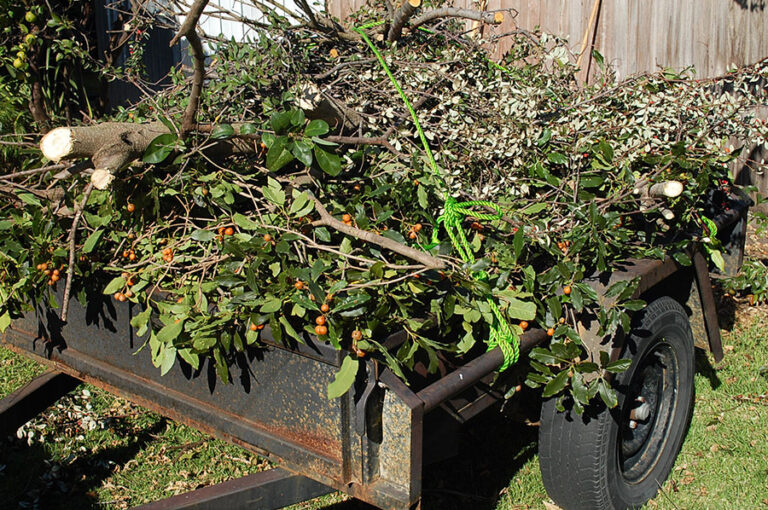
- Waste handling (mulch, log removal, green waste)
- Stump grinding inclusion or exclusion
- Access needs, equipment used, and time estimate
- Any permit assumptions and who handles them
If it is vague, they should ask for it to be rewritten before accepting.
Should they remove the stump, and what happens if they leave it?
If they want usable lawn or replanting, stump grinding is usually worth it. Leaving a stump can invite termites in some conditions, create trip hazards, and complicate landscaping.
They should confirm the grind depth and whether roots are chased or only the stump is ground. If they plan to pave or build later, they should ask what depth is needed for that use. Check out more about landscape design guide.
How can they reduce the risk of property damage during removal?
They should insist on a plan for drop zones, rigging, and protection. A professional team will use lowering ropes, friction devices, and sometimes cranes, plus boards or mats to protect lawns and pavers.
They should also move vehicles, outdoor furniture, and fragile pots before the crew arrives. If access crosses a neighbor’s land, permission should be obtained in writing to avoid disputes.
What should they expect on the day, and how should they prepare?
They should expect noise, sawdust, falling debris within controlled zones, and periods where they cannot safely enter the work area. Preparation usually includes clearing driveways, unlocking gates, securing pets indoors, and keeping children away.
They should also confirm parking needs for trucks and chippers. If the site is near a shared driveway, they should notify neighbors about temporary access interruptions. Check out more about Environmental Considerations Around North Shore Tree Removal.
What are common mistakes that make a tree removal project unsafe or expensive?
The biggest mistakes are skipping approvals, choosing the cheapest quote without checking insurance, and underestimating access. Another frequent issue is removing a tree without addressing why it failed, such as drainage problems, soil instability, or pest activity.
They should also avoid “quick fixes” like topping, which can create weak regrowth and higher long term risk.
How do they know the job is finished properly?
A proper finish matches the agreed scope and leaves the site safe. They should check that all wood and green waste are removed or stacked as agreed, the area is raked, and hazards like sharp stubs or unstable hanging limbs are gone.
If stump grinding was included, they should confirm the stump is below grade and that grindings are handled as promised, either removed or left for garden use.
FAQs (Frequently Asked Questions)
What makes tree removal in Pymble different from simply cutting a tree down?
Tree removal in Pymble often involves tight access, nearby homes, powerlines, and local tree controls that may require permits. Safe removal usually means a staged dismantle with ropes, rigging, and controlled lowering rather than a single felling cut. Extra planning is needed especially if the tree is large, leaning, close to structures, or unhealthy.
Do I need council approval or a permit before removing a tree in Pymble?
Sometimes yes. In Ku-ring-gai Council areas including Pymble, many trees are protected under planning rules. Removal can require approval depending on the species, size, and location of the tree. It’s important to verify permit requirements before starting work to avoid penalties for unlawful removal. A reputable contractor can help identify permit needs and required evidence.
How can I determine if a tree is unsafe or just inconvenient?
A qualified arborist assessment is the best way to distinguish risk from preference. Red flags include visible decay, major deadwood, splitting unions, termite damage, significant lean with soil heave, or canopy dieback. Document concerns with photos and request written findings. If the tree is healthy, pruning or cable bracing might resolve issues without full removal.
What site hazards should be checked before a tree removal contractor arrives in Pymble?
Check for targets and constraints such as powerlines, roofs, sheds, fences, pools, retaining walls, driveways, and narrow side access. Consider ground conditions and slope since wet soil can limit equipment use and increase slip risks. If neighbors’ yards are within drop zones, access permissions may be required to ensure safe operations.
How do contractors safely remove trees in tight suburban blocks like those in Pymble?
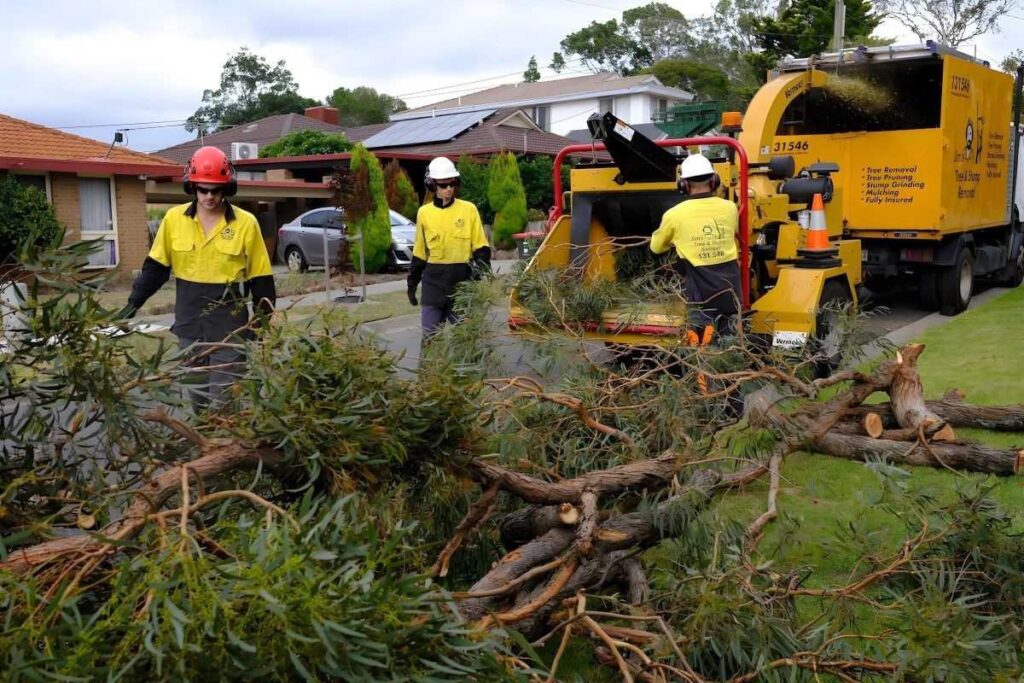
Contractors typically dismantle trees in sections from the top down using climbers or elevated platforms to remove limbs in controlled pieces. Rigging is often used to lower wood away from roofs and gardens safely. Contractors should explain where pieces will be lowered, how nearby structures will be protected, and how pedestrian and traffic management will be handled if near footpaths or roads.
What qualifications and insurance should I confirm before hiring a tree removal contractor in Pymble?
Ask for proof of public liability insurance (including coverage amount), workers compensation details, crew lead qualifications and experience, their approach to risk assessment and site control, and confirmation they follow relevant Australian Standards and safe work procedures. Be cautious of unusually low quotes lacking details about rigging, protection measures, or waste disposal.