Environmental Considerations Around North Shore Tree Removal
Because North Shore properties often sit near gullies, creeks, and steep slopes, the environmental stakes are higher than many owners realise. The right approach is usually about minimizing impact, not simply finishing the job quickly.
What environmental impacts can tree removal cause on the North Shore?
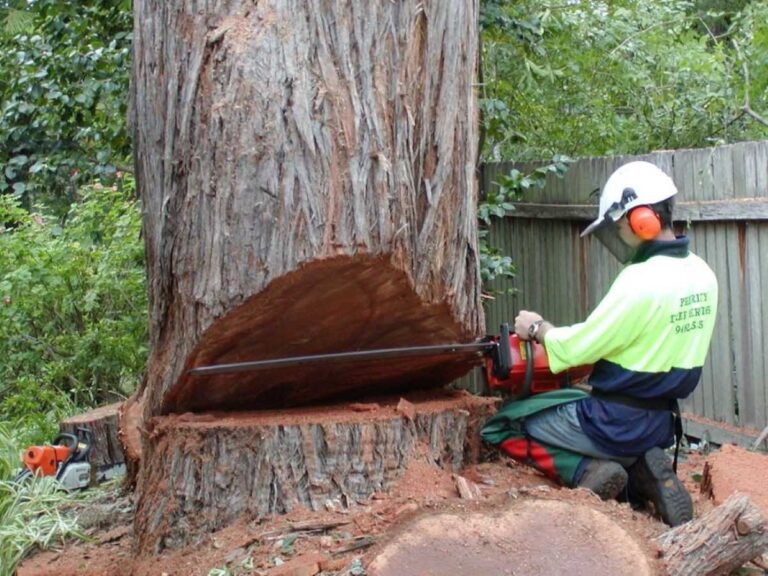
Tree removal North Shore can reduce canopy cover, disturb wildlife, and increase runoff and erosion. On steep or coastal sites, even one removal can change how water moves through a property.
Loss of canopy can also raise local temperatures and reduce air filtration. If multiple trees are removed over time, the cumulative impact can be significant, especially in streets already short on mature trees.
Which trees and sites tend to be most environmentally sensitive?
Trees near waterways, wetlands, gullies, and steep banks are usually the most sensitive. Their roots often hold soil in place and filter sediment before it reaches creeks or storm drains.
Large, mature natives are also high-value from a habitat perspective. Even when a tree looks “messy,” it may provide nesting hollows, seasonal food, or shelter corridors between green spaces.
How do they know whether wildlife will be affected?
They check for nests, hollows, and signs of regular animal use before any work starts. Birds, bats, possums, and reptiles often rely on older trees that look structurally compromised to humans.
If wildlife is present, timing and method matter. Delaying works, using staged removal, or retaining habitat logs can reduce harm, and in some cases specialist fauna handlers are needed.
Why does timing matter for environmental protection?
Timing matters because breeding and nesting seasons can turn routine removals into high-impact events. Removing a tree during peak nesting periods can destroy active nests and increase mortality.
It also matters for soil. Wet-season removals can compact soil and create muddy runoff, while dry-season removals can increase dust and disturb groundcovers that protect topsoil.
How can tree removal increase erosion and stormwater runoff?
Tree roots bind soil, and canopy slows rainfall before it hits the ground. Without them, rain can strike harder, wash sediment downhill, and carry nutrients and pollutants into drains and waterways.
On the North Shore, this is especially relevant on sloped blocks. Even small changes to ground cover around a stump zone can trigger rilling, undercutting, or long-term bank instability.
What should they consider about stump removal and root disturbance?
Stump grinding and root removal can destabilize soil, damage nearby trees, and expose bare ground that erodes easily. In sensitive areas, leaving roots to decay naturally can sometimes be the lower-impact option.
They also consider what sits nearby: retaining walls, underground services, and neighbouring root zones. Over-aggressive grinding can sever shared root networks and stress trees that were meant to stay.
How do they choose a lower-impact removal method?
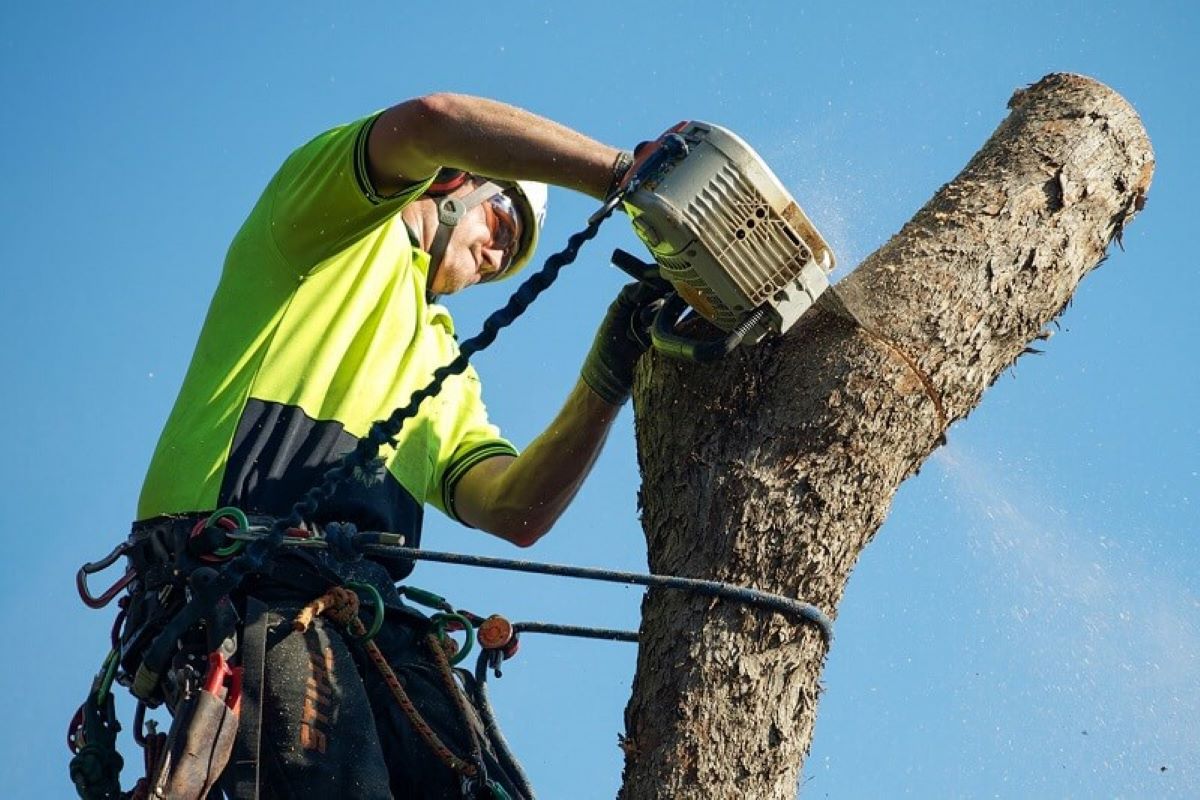
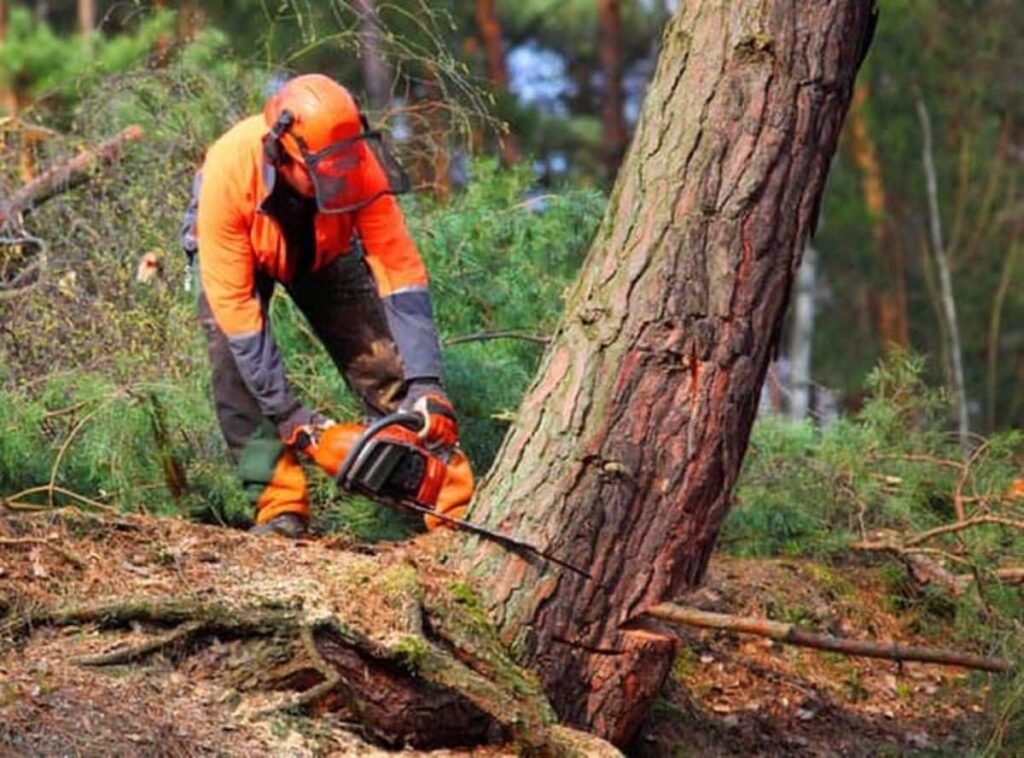
Lower-impact methods focus on controlled rigging, minimal ground disturbance, and careful access planning. Instead of felling a whole tree, they may dismantle it in sections to avoid smashing understorey plants and soil.
They also plan where branches and logs land, how machinery moves, and how debris is contained. Good planning reduces collateral damage, which is often where the biggest environmental costs occur.
What happens to the green waste, and why does it matter?
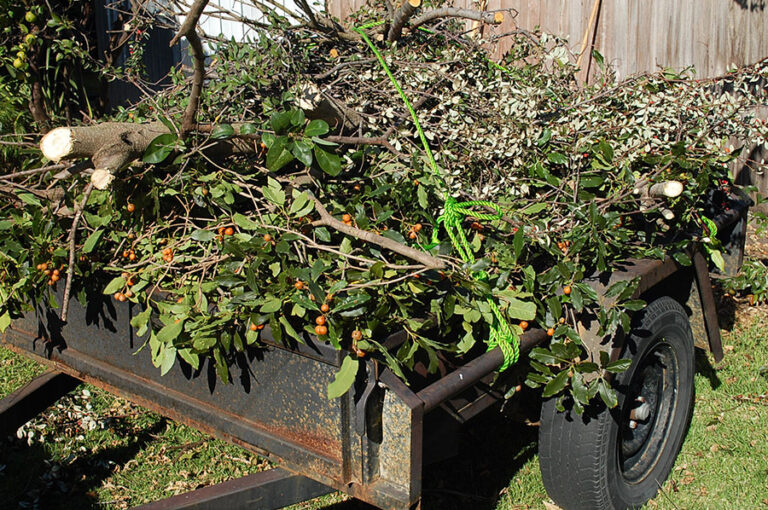
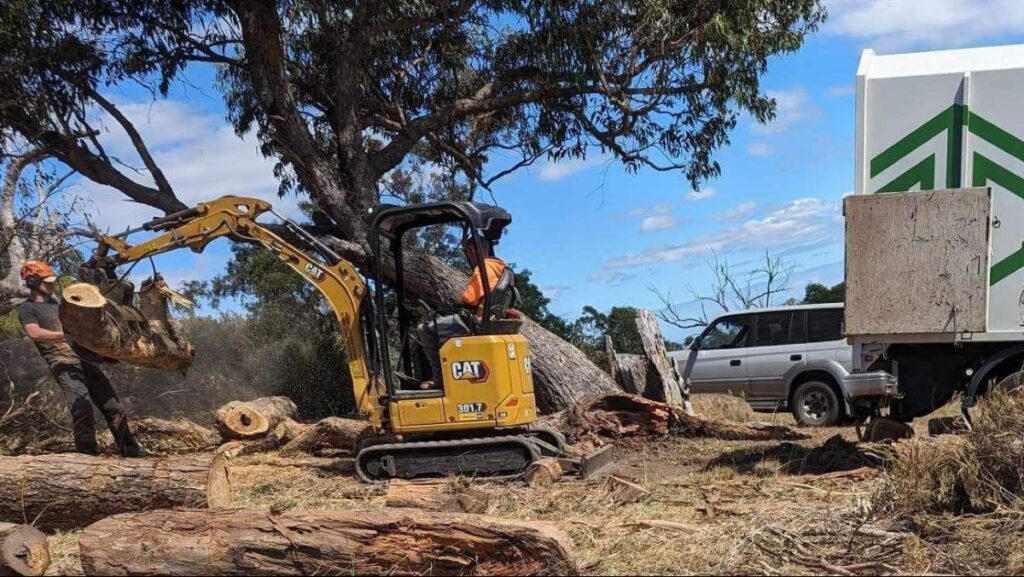
Green waste choices matter because they affect emissions, landfill load, and biosecurity. Chipping on-site for mulch can reduce transport and help protect soil, but only if the mulch is clean and used appropriately.
If the tree is diseased or pest-affected, material may need controlled disposal to prevent spread. Firewood use can be sustainable in some cases, but only when it doesn’t move pests or pathogens to new areas.
Other Resources : Green garden waste: City Services
When should they think about replanting or canopy replacement?
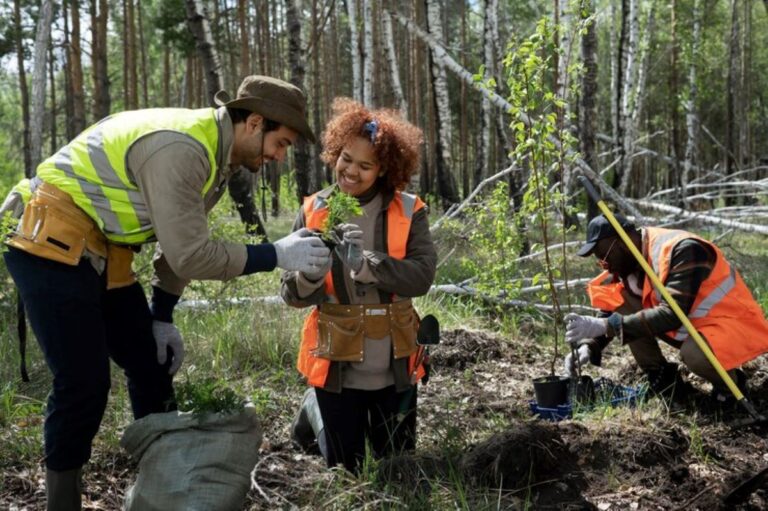
They should think about replacement before removal happens, not after. A simple plan for replanting helps maintain canopy cover, habitat, and long-term property cooling.
Replacement is not always “one tree in, one tree out.” A mix of smaller natives, understorey layers, and spacing for mature growth often provides better resilience and biodiversity than a single fast-growing tree.
How can they avoid removing a tree when it might be saved?
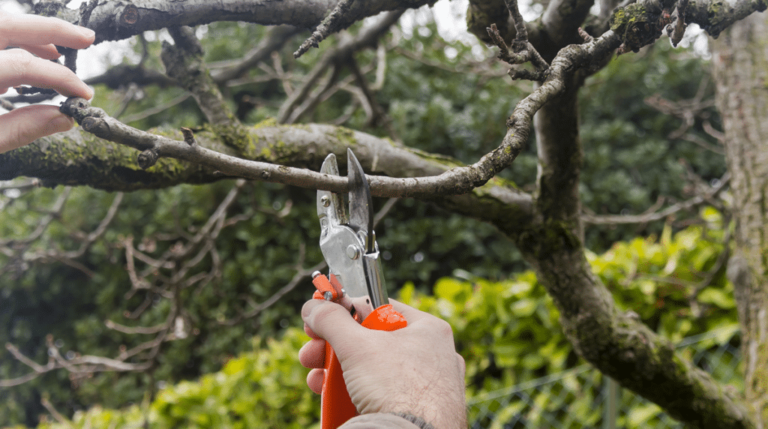
They start with a proper assessment rather than assuming removal is the only safe option. Pruning, cable bracing, deadwood removal, or targeted reduction can sometimes address risk while keeping most of the habitat intact.
If the issue is root damage, soil compaction, or poor drainage, remediation may stabilize the tree. Saving a mature tree is often the best environmental outcome, even if it takes more planning.
What role do local rules and permits play in environmental outcomes?
Rules and permits often exist to protect canopy, habitat, and neighbourhood character. Complying with them is not just a paperwork step; it can prevent unnecessary loss of significant trees.
They also guide what can be removed, what must be retained, and what offsets may be required. When owners treat compliance seriously, removals tend to be more selective and better documented.
What should they do immediately after removal to protect the site?
They stabilise soil, manage runoff, and protect nearby vegetation right away. That usually means covering bare ground with mulch or erosion matting, re-seeding or planting, and keeping sediment out of drains.
They also monitor the site for a few months, especially after heavy rain. Small fixes early, like redirecting downpipes or adding a swale, can prevent long-term erosion problems.
How can they choose a responsible North Shore tree removal provider?
They choose providers who talk about environmental controls, not just price and speed. A responsible crew can explain access plans, wildlife checks, sediment control, and what happens to waste.
They also look for clear documentation and a willingness to recommend alternatives to removal. If a provider pushes removal without discussing options, they may be optimizing for convenience rather than environmental outcomes.
Related : Planning a Safe Tree Removal Pymble Project: What to Know First
FAQs (Frequently Asked Questions)
What are the environmental impacts of tree removal on the North Shore?
Tree removal on the North Shore can reduce canopy cover, disturb wildlife habitats, increase stormwater runoff and soil erosion. Especially near gullies, creeks, and steep slopes, even a single tree removal can alter water flow and raise local temperatures while reducing air filtration.
Which trees and sites on the North Shore are most sensitive to removal?
Trees located near waterways, wetlands, gullies, and steep banks are highly sensitive due to their role in stabilizing soil and filtering sediment. Large, mature native trees provide critical habitat such as nesting hollows and food sources for local wildlife.
How is wildlife impact assessed before tree removal?
Before any work starts, professionals check for nests, hollows, and signs of regular animal use. If wildlife like birds, bats, possums, or reptiles are present, timing and removal methods are adjusted to minimize harm—sometimes involving staged removals or specialist fauna handlers.
Why does timing matter when removing trees environmentally?
Timing is crucial because removing trees during breeding or nesting seasons can destroy active nests and increase wildlife mortality. Additionally, wet-season removals risk soil compaction and runoff, while dry-season removals can cause dust issues and disturb groundcover protecting topsoil.
How can stump removal affect soil stability and nearby vegetation?
Stump grinding and root removal can destabilize soil, harm adjacent trees by severing shared roots, and expose bare ground prone to erosion. In sensitive areas on the North Shore, leaving roots to decay naturally is often a lower-impact option that protects soil stability.
What should property owners consider when choosing a tree removal provider on the North Shore?
Choose providers who prioritize environmental controls over just price or speed. A responsible crew will discuss access plans, wildlife checks, sediment control measures, waste disposal methods, and offer alternatives to removal when possible. This ensures selective removals with minimal environmental impact.